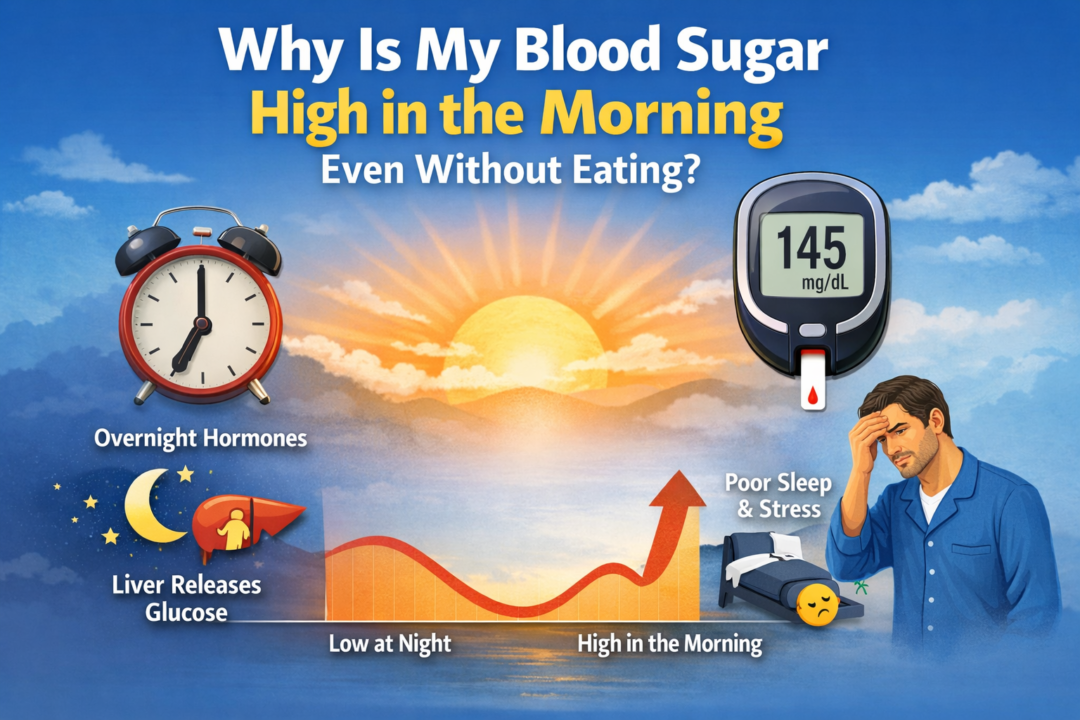
Why is your blood sugar high in the morning even without eating? Why Is My Blood Sugar High in the Morning Even Without Eating This question is one of the most confusing and frustrating questions many people face, especially when you feel like you did everything right the night before. You didn’t snack late; you went to bed on time, and yet your glucose levels still trigger when you wake up.
Understanding the reasons behind Why Is My Blood Sugar High in the Morning Even Without Eating is essential for effective health management.
Understanding Why Is My Blood Sugar High in the Morning Even Without Eating is essential for recognizing the factors that impact your health.
The phenomenon of Why Is My Blood Sugar High in the Morning Even Without Eating can be attributed to various biological mechanisms.
Many people ask, Why Is My Blood Sugar High in the Morning Even Without Eating? It’s a common concern that can lead to confusion and anxiety.
Addressing Why Is My Blood Sugar High in the Morning Even Without Eating requires understanding both lifestyle factors and biological responses.
Considering Why Is My Blood Sugar High in the Morning Even Without Eating, let’s delve into the reasons that may surprise you.
Many individuals find themselves questioning Why Is My Blood Sugar High in the Morning Even Without Eating after a night of fasting.
Understanding the reasons behind Why Is My Blood Sugar High in the Morning Even Without Eating is essential for effective health management.
When exploring Why Is My Blood Sugar High in the Morning Even Without Eating, it’s important to understand the underlying processes.
This article answers the question: Why Is My Blood Sugar High in the Morning Even Without Eating? Stay tuned for detailed insights.
Understanding the question Why Is My Blood Sugar High in the Morning Even Without Eating is crucial for effective health management.
This sounds familiar, right? You’re not alone.
To comprehend Why Is My Blood Sugar High in the Morning Even Without Eating, it’s important to consider the impact of hormones like cortisol.
It’s essential to explore Why Is My Blood Sugar High in the Morning Even Without Eating as a key indicator of overall health.
Understanding Why Is My Blood Sugar High in the Morning Even Without Eating is vital for managing your glucose levels effectively.
Ever wondered Why Is My Blood Sugar High in the Morning Even Without Eating? You’re not alone in this concern.
The phenomenon of Why Is My Blood Sugar High in the Morning Even Without Eating can be attributed to various biological mechanisms.
In fact, the question Why Is My Blood Sugar High in the Morning Even Without Eating is often posed by many individuals.
And so, the question of Why Is My Blood Sugar High in the Morning Even Without Eating needs clear answers.
The reasons behind Why Is My Blood Sugar High in the Morning Even Without Eating can vary, but understanding them is the first step to control.
Understanding why is crucial for managing your health: Why Is My Blood Sugar High in the Morning Even Without Eating?
Addressing Why Is My Blood Sugar High in the Morning Even Without Eating requires understanding both lifestyle factors and biological responses.

Many individuals find themselves questioning Why Is My Blood Sugar High in the Morning Even Without Eating after a night of fasting.
Many people experience unexpected morning blood sugar increases, and it often feels like your body is working against you. But the truth is, there are specific biological processes happening behind the camera, things most people are never taught to understand.
Exploring Why Is My Blood Sugar High in the Morning Even Without Eating helps uncover critical insights regarding metabolic health.
In this ultimate guide, you’ll discover the real reasons your blood sugar rises overnight, what it means for your health, and most importantly, what you can do to take control of it naturally and effectively.
Chapter 1: Introduction—The Confusing Morning Spike
“Why Is My Blood Sugar High in the Morning Even Without Eating?”
To comprehend Why Is My Blood Sugar High in the Morning Even Without Eating, it’s important to consider the impact of hormones like cortisol.
If this question has ever crossed your mind, you’re not alone, and more importantly, you’re not imagining things.
Ultimately, understanding Why Is My Blood Sugar High in the Morning Even Without Eating can help you make informed decisions.
Many people wake up expecting their blood sugar to be stable after a full night without eating food. But instead, they’re met with a higher reading than expected. It feels confusing. Sometimes even frustrating. You followed the rules, avoided late meals, and still, your numbers don’t reflect it.
At first, it can feel like your body is working against you.
But the truth is, this isn’t random. There are specific biological processes happening behind the scenes while you sleep, processes that most people are never taught to understand.
What Makes This So Confusing?
As you navigate these complexities, remember that understanding Why Is My Blood Sugar High in the Morning Even Without Eating is essential.
The assumption is simple, like:
“If I didn’t eat, my blood sugar should be normal.”
But your body doesn’t stop working just because you’re asleep.
Overnight:
-
- Your liver releases stored glucose
-
- Your hormones prepare your body to wake up even in sleep.
-
- Your metabolism continues running in the background
If any part of this system is slightly out of balance, your morning blood sugar can rise—even without food.
Reason You Should Pay Attention
Exploring Why Is My Blood Sugar High in the Morning Even Without Eating helps uncover critical insights regarding metabolic health.
This isn’t just about one reading on a device.
Morning blood sugar is one of the strongest signals of your internal metabolic health. This reflects on:
-
- How your body handles glucose
-
- How sensitive you are to insulin
-
- How your hormones behave overnight
Ignoring it means missing early warning signs that could develop into bigger issues over time.
What You’ll Learn in This Complete Guide
This guide is designed to give you candid clarity and, more importantly, direction.
You’ll discover:
-
- The real reasons behind morning blood sugar spikes
-
- The difference between normal processes and underlying issues
-
- Hidden lifestyle triggers you may not notice
-
- Practical steps to stabilize your blood sugar naturally
-
- And how to support your body more effectively for long-term balance
Moving From Confusion to Control Your Healthy Life
Right now, the problem may feel uncertain. But by the time you finish this guide, you’ll understand exactly what’s happening,and what to do about it and right now.
And once you understand the cause, you can begin making smarter decisions that not only improve your morning readings but also your overall health and daily energy readiness.
Let’s start by breaking down the foundation, how blood sugar actually works inside your body.
Awareness of Why Is My Blood Sugar High in the Morning Even Without Eating enables proactive management of blood sugar levels.
Chapter 2: Understanding Blood Sugar Basics
Before you can fix high morning blood sugar, you need to clearly understand what’s happening inside your body because once this part makes sense, everything else becomes easier to be in charge of control.
Think of blood sugar (glucose) as your body’s main source of energy. Every time you eat, especially foods rich in carbohydrates, your digestive system breaks them down into glucose, which then enters your bloodstream. From there, a hormone called insulin acts like a key, helping move that glucose into your cells where it is used for energy or stored for later use.
Now here’s the something many people don’t realize includes you as a reader.
Even when you’re not eating, especially overnight, your body is still actively managing your energy. Your liver plays a major role here by releasing small amounts of stored glucose into your bloodstream to keep your body functioning while you sleep. Under normal conditions, insulin keeps this process balanced so your blood sugar stays stable and manageable.
However, when that balance is disrupted, your blood sugar can rise, even without food.
One of the biggest reasons for this is insulin resistance. When your cells don’t respond properly to insulin, glucose cannot enter them efficiently. Instead, it remains in your bloodstream, causing higher readings, particularly in the morning.
Another factor is your body’s natural hormone cycle. For instance, in the early morning hours, hormones like cortisol and growth hormone increase to prepare your body for waking up. These hormones can signal your liver to release more glucose. If your insulin response is weak, this extra glucose leads to elevated blood sugar levels.
So what does this mean for you?
It means your morning blood sugar is not random; it’s a signal. A signal that your body may need better glucose control, improved insulin sensitivity, or lifestyle adjustments.
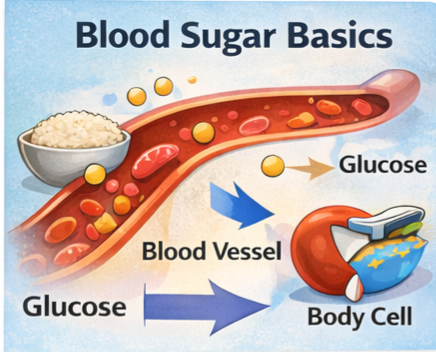
The good news is, once you understand these basics, you’re no longer guessing; you’re making informed decisions. And in the next sections, you’ll learn exactly how to correct these imbalances and regain control of your blood sugar naturally and effectively.
Chapter 3: The Dawn Phenomenon Explained
Now that you knowledge on how blood sugar is regulated in the body, the next step is to look at one of the most common reasons your levels rise in the morning even when you have not eaten anything, called the dawn phenomenon.
This is not a mistake your body is making. In fact, this is a natural biological process.
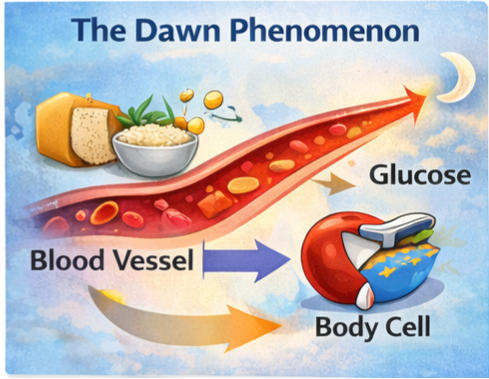
In the early middle of morning hours, usually between 3:00 AM and 8:00 AM, your body begins preparing you to wake up. To do this, it releases key hormones such as cortisol, growth hormone, and adrenaline. These hormones help increase alertness, boost energy, and get your system ready for the day ahead.
However, there’s a hidden effect.
Understanding Why Is My Blood Sugar High in the Morning Even Without Eating is vital for anyone monitoring their health carefully.
These same hormones send a signal to your liver to release stored glucose into your bloodstream. This ensures that your body has enough energy after a long overnight fast. In a healthy system, insulin quickly steps in to balance this glucose release, keeping your blood sugar within a normal range.
Many factors contribute to the answer for Why Is My Blood Sugar High in the Morning Even Without Eating, including stress and sleep quality.
But if your body is dealing with insulin resistance or reduced insulin efficiency, that balance doesn’t happen properly.
Instead of glucose being absorbed into your cells, it remains in your bloodstream—causing your blood sugar to rise by the time you wake up. This is why you may feel like everything is under control at night, yet still wake up with unexpectedly high readings.
Awareness of Why Is My Blood Sugar High in the Morning Even Without Eating enables proactive management of blood sugar levels.
How This Connects to What You Learned Earlier
From the previous section, you now know that your liver naturally releases glucose overnight. The dawn phenomenon simply amplifies that process through hormonal signals. When your insulin response isn’t strong enough, the result is a noticeable spike.
In summary, the inquiry of Why Is My Blood Sugar High in the Morning Even Without Eating is crucial for your well-being.
What You Can Do About It.
The key here is not to fight your body but to support it.
Simple adjustments can make a big difference:
-
- Improving insulin sensitivity through better nutrition
-
- Avoiding late-night high-carb meals
-
- Supporting metabolic health with the right nutrients
-
- Creating a stable evening routine
Many people also find that adding targeted blood sugar support supplements helps improve how their body responds during these early morning hours.
Why This Matters for You
When we ask Why Is My Blood Sugar High in the Morning Even Without Eating, we must also consider lifestyle factors.
Understanding the dawn phenomenon shifts your mindset. Instead of feeling confused or frustrated, you start to see a clear pattern, and with that clarity comes control.
In the next chapter, I will go deeper into the root cause behind this imbalance: insulin resistance and how it silently affects your blood sugar levels every single day.
Chapter 4: Insulin Resistance – The Hidden Driver
By now, you should have understood how your body manages blood sugar and how the dawn phenomenon can trigger a morning spike. But here’s the deeper truth; insulin resistance is often the real driver behind why your blood sugar stays high, especially when you haven’t eaten anything.
This is the part most people for to look into.
Insulin resistance doesn’t happen overnight. It develops gradually, often without obvious warning signs, and quietly affects how your body handles glucose every single day.
What Exactly Is Insulin Resistance?
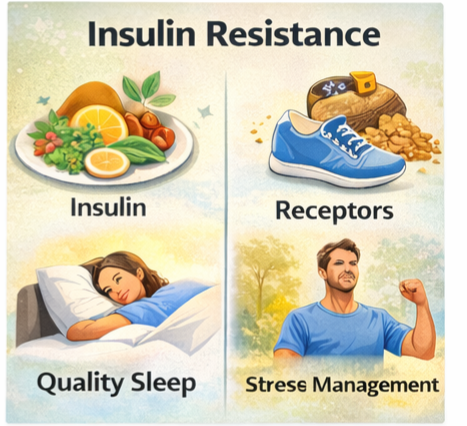
In a healthy body, insulin works like a code number. It unlocks your cells and allows glucose from your bloodstream to enter, where it’s used for energy.
Understanding Why Is My Blood Sugar High in the Morning Even Without Eating is vital for anyone monitoring their health carefully.
But when insulin resistance develops:
Many factors contribute to the answer for Why Is My Blood Sugar High in the Morning Even Without Eating, including stress and sleep quality.
-
- Your cells stop responding properly and ineffectively
-
- The “code number” no longer works efficiently
-
- Glucose fills up in your bloodstream system
This means your body has to produce more insulin just to do the same job.
Over time, this creates a repeat and cycle level:
-
- Higher insulin levels
-
- Poor glucose control
-
- Increased fat storage
-
- Even more resistance
Why This Affects Your Morning Blood Sugar
Now let’s connect this directly to your main concern.
During the early morning hours, your body naturally releases glucose (as you learned in the dawn phenomenon). But if your cells are resistant to insulin, that glucose has nowhere to go.
Consequently, the issue of Why Is My Blood Sugar High in the Morning Even Without Eating should be addressed with care.
Instead of being used for energy, it stays in your bloodstream.
That’s why you wake up with high blood sugar even without eating.
Another Signs You Might Have Insulin Resistance
Many people don’t realize they have it. But your body often gives clues:
-
- Persistent fatigue, especially after meals
-
- Increased hunger or sugar cravings
-
- Difficulty losing weight
-
- Belly fat accumulation
-
- Brain fog or low focus
-
- Energy crashes during the day
If any of these sound familiar, insulin resistance could be playing a major role.
The good news is that it can be improved and managed.
Here’s the part that matters most: you’re not stuck with this.
Insulin resistance is reversible and manageable with the right approach.
Start with:
-
- Balanced meals (protein + fiber + healthy fats)
-
- Reducing refined sugars and processed carbs
-
- Regular physical activity
-
- Quality sleep and stress management
These changes help your cells become more responsive to insulin again.
Supporting Your Body More Effectively
In many cases, lifestyle changes alone can take time. That’s why some people choose to support their progress with natural blood sugar and metabolic support supplements.
Certain ingredients are known to help:
-
- Improve insulin sensitivity
-
- Support glucose metabolism
-
- Reduce blood sugar fluctuations
When combined with the right habits, this approach can accelerate results and make your mornings more predictable.
Why You Should Have Knowledge Of This Section
Understanding insulin resistance changes everything.
Instead of chasing symptoms, like high morning blood sugar, you start addressing the root cause. And when you fix the root, the symptoms begin to fade naturally.
In the next chapter, I will again explore another lesser-known factor that can contribute to morning triggers: the Somogyi effect and how it differs from what you’ve learned so far.
Chapter 5: The Somogyi Effect (Rebound Hypoglycemia)
As you’ve seen in the previous chapters, both the dawn phenomenon and insulin resistance can explain why your blood sugar rises in the morning. However, there’s another factor that is often misunderstood and sometimes overlooked entirely called the Somogyi effect, also known as rebound hypoglycemia.
Unlike the dawn phenomenon, which is driven by natural hormone release, the Somogyi effect happens as a response to blood sugar dropping too low during the night.
This is how it works:
While you’re asleep, your body continues to regulate glucose levels. If your blood sugar falls too low, whether due to medication, skipping meals, or other imbalances—your body treats it as a threat. In response, it releases stress hormones such as cortisol and adrenaline to quickly raise your blood sugar back to a safe level.
This protective mechanism is important. But sometimes, your body overcorrects.
Instead of bringing your blood sugar back to normal, it pushes it too high. As a result, you wake up with elevated glucose levels, even though the initial issue was low blood sugar during the night.
How Is It Different from the Dawn Phenomenon?
This is where many people get confused.
-
- The dawn phenomenon is a gradual increase in blood sugar due to early morning hormones
-
- The Somogyi effect is a rebound spike caused by a drop in blood sugar overnight
Both lead to high morning readings, but they come from very different processes.
Symptoms You Might Be Experiencing the Somogyi Effect
Because it happens while you sleep, it can be difficult to detect. However, there are some signs that may point to it:
Once you grasp the dynamics of Why Is My Blood Sugar High in the Morning Even Without Eating, you can take proactive steps.
-
- Night sweating or waking up feeling hot
-
- Restless or disturbed sleep
-
- Nightmares or dreams
-
- Morning headaches
-
- Feeling unusually tired upon waking
The Reason Behind This Matters Is:
Recognizing the Somogyi effect helps you avoid making the wrong adjustments. For example, increasing medication or restricting food further might seem logical, but if low blood sugar is the root issue, those changes could actually make things worse.
Understanding your body’s patterns, especially overnight, can help you make more informed decisions and work toward more stable, balanced glucose levels over time.
Chapter 6: Lifestyle Triggers You Might Be Ignoring
At this stage, you’ve seen how internal factors like hormones and insulin resistance can influence your morning glucose levels. But there’s another layer that many people underestimate, your daily habits. These seemingly small choices can quietly contribute to the question, “Why Is My Blood Sugar High in the Morning Even Without Eating?”
Let’s break down the most common lifestyle triggers.
A. Late-Night Eating Habits
Even if you didn’t eat in the morning, what you eat the night before still matters.
Meals that are:
-
- High in refined carbohydrates
-
- Sugary or processed
-
- Eaten close to bedtime
can keep your blood sugar elevated overnight. Your body is still processing that food while you sleep, which can lead to higher fasting glucose levels in the morning.
B. Poor Sleep Quality
Sleep is more than rest; it directly affects your metabolism.
When you don’t get quality sleep:
-
- Cortisol levels rise
-
- Insulin sensitivity decreases
-
- Blood sugar becomes harder to regulate
Even a few nights of poor sleep can disrupt your body’s natural balance.
C. Chronic Stress
Stress is one of the most overlooked factors in blood sugar control.
When you’re stressed, your body releases cortisol, the same hormone involved in the dawn phenomenon. Over time, this keeps your glucose levels elevated, especially in the morning.
D. Lack of Physical Activity
Movement plays a major role in how your body uses glucose.
When you’re inactive:
-
- Your muscles use less glucose
-
- Insulin becomes less effective
-
- Blood sugar stays in your bloodstream longer than nomal
Even light daily activity can make a noticeable difference:
Taking Back Control
The encouraging part is this: these triggers are within your control.
By improving:
-
- Your evening eating habits
-
- Sleep quality
-
- Stress management
-
- Daily activities or movement
You begin to support your body in regulating glucose more effectively.
Many people also choose to strengthen these efforts with targeted blood sugar support supplements, especially when lifestyle changes alone are not enough. When used alongside healthy habits, they can help stabilize glucose levels and improve overall metabolic balance.
Small, consistent changes in your daily routine can lead to significant improvements not just in your morning readings, but in your long-term health as well
Chapter 7: Symptoms & Warning Signs
After understanding the internal causes and lifestyle triggers, the next step is recognizing how your body communicates that something isn’t right. Many people ask, “Why Is My Blood Sugar High in the morning even without eating?” but overlook the subtle signals their body is already giving them.
These symptoms may not always feel alarming at first, but over time, they become clearer indicators of blood sugar imbalance.
Common Morning Symptoms to Look Out For;
If your blood sugar is elevated when you wake up, you may experience:
-
- Persistent fatigue even after a full anf long night’s sleep
-
- Brain fog or difficulty concentrating early in the day
-
- Increased thirst or a dry mouth upon waking
-
- Frequent urination, especially in the morning
-
- Headaches or slight dizziness
-
- Low energy levels despite not eating overnight
These are not random occurrences. They are your body’s way of signaling that glucose is not being properly managed.
Another Sign You Shouldn’t Ignore
In some cases, the warning signs are less obvious but just as important:
-
- Cravings for sugar or carbohydrates early in the day
-
- Feeling irritable or sluggish before breakfast
-
- Sudden energy crashes mid-morning
-
- Difficulty maintaining focus or motivation
Over time, these patterns can affect not just your mornings, but your entire day’s productivity and overall well-being.
What These Symptoms Mean for You
These warning signs are often connected to deeper issues like insulin resistance, hormonal imbalance, or poor glucose regulation. Ignoring them can allow the problem to progress, making it harder to manage later.
The code is awareness.
When you begin to notice these patterns, you can take action earlier, adjusting your lifestyle, improving your routines, and supporting your body where it needs it most.
Many individuals also find that combining healthy habits with effective blood sugar support solutions helps reduce these symptoms more quickly and maintain more stable energy levels throughout the day.
Moving Forward with Clarity
Being aware of these symptoms gives you an advantage. Instead of reacting after the problem worsens, you begin to respond proactively, making smarter choices that support your health long term and help you regain control over your daily energy and balance.
Chapter 8: Why Morning Blood Sugar Matters Long-Term
By now, you’ve highlighted the causes, triggers, and warning signs. But one question still matters deeply for your long-term health: Why is my blood sugar high in the morning even without eating, and what does it mean over time?
The answer goes beyond a single reading.
Morning blood sugar is one of the clearest indicators of how well your body is managing glucose overall. Because it’s measured after hours of fasting, it reflects your body’s baseline metabolic function—how your liver releases glucose, how your hormones behave overnight, and how effectively insulin is doing its job.
The Long-Term Impact of Elevated Morning Blood Sugar
If your morning levels remain consistently high, it can gradually lead to:
-
- Increased A1C levels, indicating long-term glucose imbalance
-
- Worsening insulin resistance, making it harder to control blood sugar
-
- Weight gain, especially around the abdominal area
-
- Energy instability, leading to fatigue and reduced productivity
-
- Higher risk of complications, including cardiovascular and metabolic issues
These effects don’t happen overnight—but they build over time if the underlying issue is not addressed.
Why Early Plans Action Matters
One of the biggest mistakes people make is ignoring fasting blood sugar because they “feel alright.” But the reality is, early imbalances often develop quietly before becoming more serious.
Taking action early allows you to:
-
- Prevent progression
-
- Improve insulin sensitivity
-
- Stabilize your daily energy levels
-
- Maintain better overall health
Even small adjustments, like improving your evening routine, managing stress, and supporting your metabolism can have a powerful long-term impact.
Supporting Long-Term Blood Sugar Balance
Consistency is key, but support also matters.
Many people find that combining lifestyle improvements with high-quality blood sugar support supplements helps them maintain more stable fasting levels and reduce long-term risks. These solutions can assist in improving glucose metabolism, supporting insulin function, and keeping your levels more predictable over time.
Looking Ahead
When you start to take your morning blood sugar seriously, you’re not just solving a daily concern; you’re protecting your future health. The goal is not perfection, but steady progress toward balance, stability, and long-term well-being.
Chapter 9: Proven Ways to Fix High Morning Blood Sugar
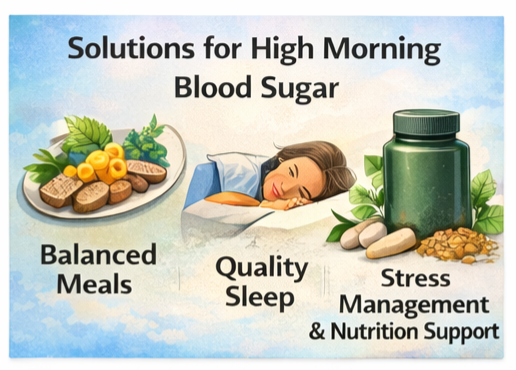
Yes, you’ve made it so far by reading this article to this level. Now, after understanding the causes, symptoms, and long-term impact, the next step is taking practical action. The goal here is not just to reduce your morning readings temporarily but to restore balance in how your body manages glucose overnight and into the next day.
The good news is that high morning blood sugar can be improved with the right combination of habits and support.
1. Improve Your Evening Nutrition
Your night routine directly affects your morning results.
Focus on:
-
- Balanced meals with protein, fiber, and healthy fats
-
- Reducing refined carbohydrates and sugary foods at dinner
-
- Avoiding heavy meals late at night
This helps prevent unnecessary glucose triggers while you sleep.
2. Stop Eating Before Bedtime
Giving your body 2–3 hours without food before you sleep allows insulin levels to stabilize. This reduces the chances of overnight glucose elevation and supports better metabolic control.
3. Stay Physically Active
Movement improves how your body uses glucose.
Even simple activities like the following:
-
- Walking after meals
-
- Light evening exercise
can significantly improve insulin sensitivity and reduce morning triggers.
4. Optimize Sleep and Stress Levels
Quality sleep and stress management are essential.
The question of Why Is My Blood Sugar High in the Morning Even Without Eating often leads to important discoveries about insulin function.
-
- Aim for 7–8 hours of consistent sleep
-
- Reduce screen time before bed
-
- Practice relaxation techniques to lower cortisol
These steps help regulate the hormonal triggers behind early morning glucose release.
Understanding Why Is My Blood Sugar High in the Morning Even Without Eating can empower you to make necessary adjustments.
5. Support Your Body with the Right Nutrients
While lifestyle changes are foundational, many people find that they need additional support to see consistent results, especially when insulin resistance is involved.
This is where targeted blood sugar support supplements can play an important role.
High-quality formulations containing ingredients such as follows:
Recognizing the signs of Why Is My Blood Sugar High in the Morning Even Without Eating can prevent future complications.
Finally, learning about Why Is My Blood Sugar High in the Morning Even Without Eating can lead to effective lifestyle changes.
-
- Berberine
-
- Chromium
-
- Cinnamon extract
-
- Magnesium
are known to help:
-
- Improve insulin sensitivity
-
- Support glucose metabolism
-
- Reduce blood sugar fluctuations
When combined with healthy habits, these supplements can help your body respond more effectively during the early morning hours.
The key is consistency, not perfection. By improving your routine and supporting your body where needed, you begin to create a system that works with your biology, not against it.
In the next chapter, we’ll go deeper into how to choose the right type of support and how to integrate it effectively into your daily routine for better, more stable results.
Chapter 10: Supplements & Natural Support
I am very by now, you’ve already understood the causes behind morning blood sugar spikes and taken steps to improve your habits. But for many people, especially those dealing with insulin resistance or persistent imbalances, lifestyle changes alone may not deliver consistent results.
This is where supplements and natural support come in, not as a shortcut but as a way to strengthen what your body is already trying to do.
Ultimately, recognizing Why Is My Blood Sugar High in the Morning Even Without Eating allows for targeted interventions.
Why Additional Support Can Help
Your body depends on key nutrients to regulate blood sugar effectively. When these nutrients are insufficient, or when your system is under constant stress, your ability to maintain stable glucose levels, especially overnight, can become compromised.
Targeted support can help;
-
- Improve insulin sensitivity
-
- Support healthy glucose metabolism
-
- Reduce fluctuations between night and morning
-
- Maintain more stable daily energy levels
Instead of working against your body, you begin supporting it in a more balanced and efficient way.
If you’re wondering Why Is My Blood Sugar High in the Morning Even Without Eating, it’s a valid question that deserves attention.
What to Look For in a Blood Sugar Support Formula
It’s important to understand Why Is My Blood Sugar High in the Morning Even Without Eating, as it reflects your body’s metabolic state.
Not all supplements are equal. The effectiveness often comes down to the ingredients and how they work together.
Look for formulas that include:
-
- Berberine for supporting insulin function
-
- Chromium to help regulate glucose levels
-
- Cinnamon extract for metabolic support
-
- Magnesium for improving insulin sensitivity
These ingredients align with the root causes discussed earlier, helping your body manage glucose more effectively rather than just masking symptoms.
A Practical Option to Look Into
If you’re looking for a structured way to support your progress, some people choose a well-formulated supplement that combines these ingredients in one place. For example, products like NuviaLab Sugar Control are designed to support why is your blood sugar high in the morning even withoute Eating with the balance and metabolic function using a blend of carefully selected nutrients.
The question of Why Is My Blood Sugar High in the Morning Even Without Eating often leads to important discoveries about insulin function.
When used alongside the lifestyle adjustments you’ve already learned, such as improving your evening routine, sleep quality, and daily movement, this kind of support can help create more stable and predictable results over time.

The goal isn’t to rely solely on supplements but to use them as part of a complete system. When your nutrition, habits, and targeted support are aligned, your body becomes more capable of maintaining balance, especially during those critical early morning hours.
Chapter 11: Daily Routine for Stable Blood Sugar
Now that you’ve explored the causes, triggers, symptoms, and solutions behind morning blood sugar spikes. The next step is putting everything together into a simple, repeatable daily routine that supports stable glucose levels, especially during those critical overnight hours.
Consistency is what turns the knowledge into results.
Morning: Start with Stability
Recognizing the signs of Why Is My Blood Sugar High in the Morning Even Without Eating can prevent future complications.
Finally, learning about Why Is My Blood Sugar High in the Morning Even Without Eating can lead to effective lifestyle changes.
How you begin your day sets the tone for your blood sugar.
-
- Start with hydration (water helps regulate metabolism)
-
- Engage in light movement like walking or stretching
-
- Choose a balanced breakfast with protein, fiber, and healthy fats
Avoid starting your day with sugary or high-carb meals, as this can trigger spikes and crashes later.
Midday: Maintain Balance
Throughout the day, your goal is to keep your blood sugar steady.
Addressing Why Is My Blood Sugar High in the Morning Even Without Eating involves understanding multiple health aspects.
-
- Eat balanced meals at consistent times
-
- Avoid long gaps that lead to overeating
-
- Focus on whole foods instead of processed options
Adding short walks after meals can help your body use glucose more effectively.
Evening: Prepare for Better Mornings
Many factors contribute to Why Is My Blood Sugar High in the Morning Even Without Eating, including hormonal fluctuations.
Your evening routine has a direct impact on your morning readings.
-
- Eat dinner 2–3 hours before bedtime
-
- Keep meals light and balanced
-
- Avoid late-night snacking, especially sugary foods
This gives your body time to stabilize glucose levels before sleep.
Night: Support Recovery
Quality sleep plays a major role in blood sugar control.
-
- Aim for 7–8 hours of consistent sleep
-
- Reduce screen exposure before bed
-
- Create a calm, stress-free environment
Managing stress at night helps reduce cortisol, which is linked to morning glucose triggers.
Strengthening Your Routine
While these habits create a strong foundation, many people choose to enhance their routine with targeted nutritional support. When combined with proper lifestyle practices, this can help maintain more stable glucose levels and improve how your body responds overnight
This routine is not about perfection. It is about consistency and alignment. When your daily habits work together, your body becomes more predictable, your energy improves, and your morning blood sugar begins to stabilize naturally.
In the final chapter, I will bring everything together into a clear action plan you can follow moving forward.
Chapter 12: Common Mistakes to Avoid
Improving morning blood sugar is not only about what you do right; it is also about what you stop doing wrong. Many people follow good advice but still struggle because of small, overlooked mistakes that continue to disrupt their progress behind the scenes.
Identifying these patterns can make a significant difference.
1. Overlooking Consistency
One of the biggest setbacks is inconsistency. Making the right choices occasionally is not enough. Blood sugar regulation depends on daily habits repeated over time.
Irregular meal timing, inconsistent sleep, or skipping routines can confuse your body’s natural rhythm and lead to unstable glucose levels.
2. Focusing Only on Food
Diet is important, but it’s not the full picture.
Many people adjust what they eat but ignore:
-
- Sleep quality
-
- Stress levels
-
- Physical activity
These factors directly affect hormones like cortisol and insulin, which influence how your body manages glucose, especially overnight.
3. Underestimating Portion Size
Even healthy foods can raise blood sugar when consumed in large amounts. Meals that are too heavy, especially in the evening, can keep your system active when it should be resting.
Balanced portions, combined with protein and fiber, help slow glucose release and support better overnight control.
4. Expecting Immediate Results
Another common mistake is expecting quick changes. Blood sugar regulation is a process, not an overnight solution or fix.
When results are slower than expected, many people either give up or start trying random solutions, which can make things worse instead of better.
5. Missing the SUPPORT LINK
This is where many people quietly struggle.
They improve their habits, adjust their meals, and follow general advice, yet their results remain inconsistent. This often happens because the body still needs additional support to function optimally, especially when dealing with insulin resistance or metabolic imbalance.
A More Complete Approach
Closing this gap requires more than effort. It requires alignment.
Combining:
-
- Consistent daily habits
-
- Balanced nutrition
-
- And targeted support designed to work with your body
creates a more reliable path toward stable blood sugar.
Many readers like you would have begun to explore structured solutions at this point, options that are specifically formulated to support glucose balance and improve how the body responds over time.
Avoiding these mistakes doesn’t just improve your numbers; it strengthens your overall approach. With the right adjustments and support in place, your progress becomes more predictable, your energy more stable, and your results more sustainable.
Chapter 13: Conclusion And Final Action Plan On Why Is Your Blood Sugar High in the Morning Even Without Eating?
Taking control of Why Is My Blood Sugar High in the Morning Even Without Eating is essential for long-term health.
As we are moving to the conclusion on this guide, the question “Why Is My Blood Sugar High in the Morning Even Without Eating” is no longer a mystery, it’s a signal you can understand and respond to with clarity.
Throughout this guide, you’ve seen that morning blood sugar is influenced by a combination of factors:
-
- Hormonal changes like the dawn phenomenon
-
- Insulin resistance affecting how your body uses glucose
-
- Lifestyle habits such as late eating, poor sleep, and stress
-
- Daily routines that either support or disrupt your metabolic balance
What matters most is how you respond moving forward.
The Simple And Effective Action Plan
To begin stabilizing your morning blood sugar, focus on these core steps:
-
- Optimize your evening routine
Eat balanced meals, avoid late-night snacking, and give your body time to rest before sleep.
- Optimize your evening routine
-
- Build consistent daily habits
Maintain regular meal timing, stay active, and prioritize quality sleep.
- Build consistent daily habits
-
- Reduce stress and support recovery
Lowering cortisol levels helps prevent unnecessary glucose release overnight.
- Reduce stress and support recovery
-
- Monitor patterns, not just single readings
Look for trends in your morning blood sugar and adjust accordingly.
- Monitor patterns, not just single readings
Strengthening Your Results Always
For many people, these steps create a strong foundation. However, when progress feels slow or inconsistent, it often means your body needs additional support to function more efficiently.
This is where a more complete approach becomes important.
Combining your lifestyle improvements with a well-structured blood sugar support solution can help:
-
- Improve insulin sensitivity
-
- Support overnight glucose balance
-
- Reduce morning spikes
-
- Create more stable energy throughout the day
At this stage, many readers choose to take the next step by exploring solutions designed specifically for this purpose, options that align with the strategies you’ve already learned and help reinforce your results.
The key is not perfection, but consistency and alignment. When your habits, nutrition, and support system work together, your body begins to respond in a more predictable and balanced way.
Instead of guessing, you now have a clear direction.
And with the right steps in place, steady progress becomes not just possible, but sustainable.
The insights gained from Why Is My Blood Sugar High in the Morning Even Without Eating provide clarity for managing your health.

Finally, consider the broader implications of Why Is My Blood Sugar High in the Morning Even Without Eating.

![Read more about the article 7 Best Supplements to Stop Sugar Cravings Naturally [That Actually Work]](https://gohealthcaresupplements.com/wp-content/uploads/2026/05/7-Best-Supplements-to-Stop-Sugar-Cravings-Naturally-1-293x300.png)