![You are currently viewing How to Stop Blood Sugar Spikes After Meals Naturally [Complete Guide]](https://gohealthcaresupplements.com/wp-content/uploads/2026/04/How-to-Stop-Blood-Sugar-Spikes-After-Meals-Naturally-e1775392263146.png)
How to Stop Blood Sugar Spikes After Meals Naturally: Complete Guide starts with a simple truth: controlling what happens after you eat is one of the most powerful ways to stabilize your energy, improve your metabolism, and protect your long-term health.
If you’ve ever felt sleepy, tired, or unfocused shortly after a meal, that’s not just normal digestion, but it’s often a sign that your blood sugar has spiked and then dropped quickly. These spikes don’t just affect how you feel in the moment; but over time, they can lead to insulin resistance, weight gain, and difficulty maintaining stable energy throughout the day.
The good news is that you don’t need extreme diets or complicated routines to fix this. With the right approach, you can begin to control blood sugar spikes naturally by making small but effective adjustments to how you eat, what you combine in your meals, and what you do immediately after eating.
This guide is designed to give you practical, real-life solutions you can apply immediately. From understanding how your body processes food to learning the exact strategies that prevent glucose surges, each chapter will build on the following, assisting you in moving from confusion to being in charge and in control.
Now that you understand the importance of managing post-meal blood sugar, let’s break it down what’s actually happening inside your body when you eat and why these spikes occur in the first place.
Table of Contents
Chapter 1: Introduction – The Hidden Post-Meal Spike
How to Stop Blood Sugar Spikes After Meals Naturally moves with recognizing a pattern many people experience but rarely question, the sudden shift in how you feel after eating. You finish a meal expecting energy, yet within a short time, you feel tired, unfocused, or even crave more food. This is often the result of a rapid rise and fall in blood sugar.
It may seem normal, but it’s actually a sign your body is not processing glucose efficiently. Over time, these repeated spikes can affect your daily energy, appetite control, and long-term health.
The good news is that you’re not stuck with it. With the right Information, understanding and simple adjustments, you can take control of how your body responds to food.
In this guide, you’ll discover practical, proven strategies that help you stabilize your blood sugar, improve your energy, and create a more balanced, consistent routine every day.
Chapter 2: What Causes Blood Sugar Spikes After Meals?
Before I show you how to stop blood sugar spikes after meals, in this chapter, you will, first need to see what’s actually happening inside your body every time you eat. Once this sets in, controlling it becomes much easier and more real than practical.
When you eat carbohydrates, like rice, bread, pasta, or even some fruits, your body breaks them down into glucose. This glucose enters your bloodstream quickly, especially if the food is highly refined. The faster this happens, the sharper your blood sugar spike.
This is where the glycemic index (GI) comes in.
Think of it as a speed scale:
- High GI foods = digest fast = sharp spike
- Low GI foods = digest slowly = steady release
Now your body responds with insulin, the hormone responsible for moving glucose out of your blood and into your cells. But if too much glucose enters too quickly, your system gets overwhelmed. The result? A rapid spike followed by a crash, leaving you tired, hungry, and craving more sugar.
The real difference comes down to fast vs. slow digestion.
FOOD that lack fiber, protein, or healthy fats digest quickly and spike blood sugar. But when you combine nutrients correctly, digestion slows down, and glucose enters your bloodstream more gradually.
This is the turning point.
Once you understand this mechanism, you stop guessing and then start controlling how your body responds to every meal, making smarter choices that naturally reduce spikes and improve your energy.
Chapter 3: Common Foods That Trigger Blood Sugar Spikes
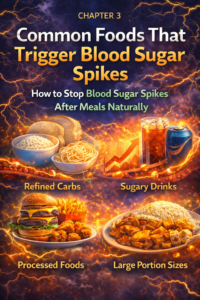
More so, if you truly want to understand how to stop blood sugar spikes after meals naturally, you must first identify the exact foods that silently trigger these spikes in your daily routine. Most people are not aware that everyday meals, especially familiar and comforting ones, are often the main cause.
Refined carbohydrates are one of the biggest culprits. Foods like white rice, bread, and pasta digest very quickly and convert into glucose almost immediately. For example, a typical meal of white rice and stew or bread with tea may seem normal, but it can lead to a sharp spike shortly after eating.
Sugary drinks are even more aggressive. Soft drinks, sweetened juices, and energy drinks deliver sugar directly into your bloodstream without any delay. This makes controlling your levels much harder if you don’t actively adjust your choices.
Processed foods also play a hidden role. Items like biscuits, instant noodles, packaged snacks, and fast food often contain refined flour and added sugars that disrupt your blood sugar balance.
Lastly, large portion sizes, even of “normal foods” like garri, fufu, or rice, can overload your system. Understanding this is a key step toward how to stop blood sugar spikes after meals naturally because control starts with awareness and smarter food combinations.
Chapter 4: Signs Your Blood Sugar Is Spiking After Meal
Understanding How to Stop Blood Sugar Spikes After Meals Naturally, it becomes much easier when you can recognize the signs your body is already showing you. Most people experience these symptoms daily but don’t connect them to blood sugar spikes.
One of the most common symptoms is sleepiness after a meal. You finish eating and suddenly feel the need to lie down or rest. This happens because your blood sugar rises quickly and then drops, leaving you feeling drained.
Closely related is fatigue. Even after eating what seems like a “normal meal,” your energy levels crash instead of improving. That is your body struggling to manage a rapid glucose spike.
Another subtle but powerful symptom is brain fog. You may find it hard to concentrate, think clearly, or stay productive after meals. That mental slowdown is directly linked to unstable blood sugar stages.
You might also notice sugar cravings, especially shortly after eating. This is your body reacting to a sudden drop after a spike, pushing you to consume more quick energy.
In the end, the energy crash, that sudden drop in strength and motivation, can affect your entire day.
Recognizing these trends is a critical step toward how to stop blood sugar spikes after meals, naturally. Awareness leads to better choices and lasting control of the level of blood sugar surge
Chapter 5: Why Blood Sugar Spikes Are Dangerous and How to Control It.
If you’re serious about How to Stop Blood Sugar Spikes After Meals Naturally, you need to understand why these spikes are not just temporary discomfort; these are signals of deeper imbalance.
Each time your blood sugar rises suddenly after a meal, your body releases a large amount of insulin to bring it down. Over time, this repeated cycle can lead to insulin resistance, where your body becomes less effective at managing glucose. This is often where weight gain, constant fatigue, and long-term metabolic issues begin.
You may notice that after eating, you feel alright at first, and then suddenly you feel tired, hungry again, or crave sugar more. This is not a lack of discipline; it’s your body reacting to unstable glucose levels.
The solution starts with control, not restriction.
To apply How to Stop Blood Sugar Spikes After Meals: Naturally, focus on:
- Combining carbohydrates with protein and fiber
- Reducing fast-digesting foods
- Eating in a balanced, structured way
Many people also find that adding targeted nutritional support helps stabilize these fluctuations more effectively when lifestyle changes alone are not enough.
The key is consistency. When your meals and habits align, your body responds better, your energy improves, and those sudden spikes begin to reduce naturally.
Chapter 6: Natural Ways to Stop Blood Sugar Spikes
Now, I move into what really matters, what you can start doing immediately. If you’ve been looking for how to stop blood sugar spikes after meals naturally, this is where small, practical changes begin to produce real results you can feel.
A. Eat Protein Before Carbs
Start your meals with protein like eggs, fish, or chicken. This slows down how quickly glucose enters your bloodstream.
For example: Eat eggs or chicken before rice or bread
This simple habit alone can reduce triggers significantly.
B. Add Fiber to Every Meal
Fiber acts like a buffer. It slows digestion and prevents sudden glucose surges.
Include:
- Vegetables (spinach, okra, broccoli)
- Seeds or nuts
Even adding vegetables before your main meal makes a difference.
C. Choose Low Glycemic (Low GI) Foods
Swap fast-digesting carbs for slower ones.
Instead of:
- White rice = try brown rice or smaller portions
- White bread = go for whole grain
It supports steady energy instead of spikes and crashes.
D. Reduce Sugar Consumption
Hidden sugars in drinks and snacks are one of the fastest ways to spike blood sugar.
Double down on:
- Soft drinks
- Sweetened juices
- Processed snacks
E. Control Your Portions
Even healthy food can spike blood sugar when eaten in large amounts.
Balance your bowl:
- ½ vegetables
- ¼ protein
- ¼ carbs
Strengthening Your Results: Where Food Supplements Come In.
At this level, many people follow all these steps but still struggle with consistency. That’s because the body sometimes needs extra support to regulate glucose efficiently, especially if insulin resistance is already present.
This is where a structured supplement can help.
For example, a formula like NuviaLab Sugar Control is designed to support:
- Glucose metabolism
- Insulin sensitivity
- Stabilized blood sugar levels throughout the day.
This is where a structured supplement can help and you can explore a trusted tested backed by science option here!
Chapter 7: The Power of Meal Timing And Order
One of the most overlooked—but highly effective—ways to control blood sugar is how and when you eat, not just what you eat. If you’re serious about How to Stop Blood Sugar Spikes After Meals Naturally, mastering meal timing and order can give you faster, noticeable results.
i. Follow the Right Eating Order
This sequence of your food useful more than most people realize.
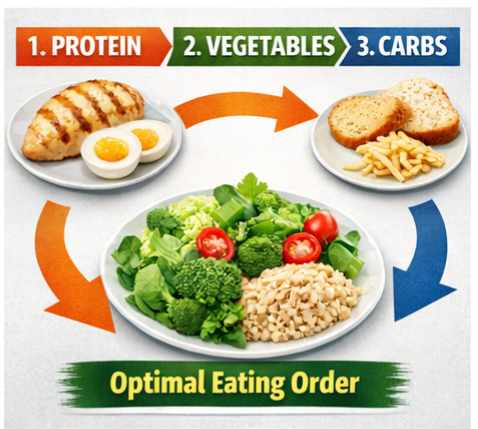
Best order:
- Start with protein (eggs, fish, chicken)
- Then eat vegetables (fiber slows digestion)
- Finish with carbohydrates (rice, bread, etc.)
This simple structure slows down glucose absorption and prevents sudden spikes.
ii. Understand the Impact of Eating Sequence
When you eat carbs first, glucose enters your bloodstream quickly. But when protein and fiber come first, they create a “protective layer” that reduces how fast sugar is absorbed. This is one of the easiest ways to apply How to Stop Blood Sugar Spikes After Meals Naturally without changing your entire diet.
iii. Slow Down Your Eating Speed
Eating too fast leads to:
- Rapid digestion
- Poor insulin response
- Higher blood sugar spikes
Practical Step To Follow:
Take 15–20 minutes per meal, chew correctly, and avoid rushing.
Even with proper meal timing and order, some people still notice fluctuations. This often means the body needs additional support to regulate glucose efficiently.
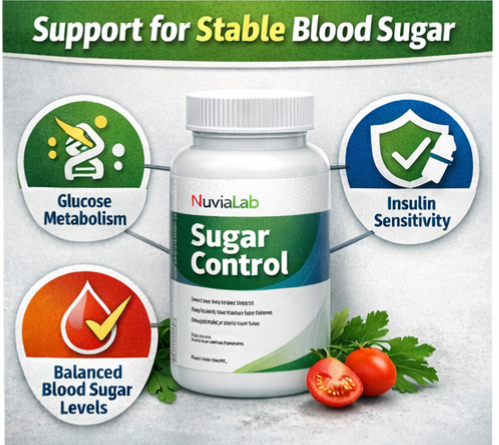
At this stage, many individuals choose to include a structured supplement like NuviaLab Sugar Control, designed to support insulin sensitivity and help maintain stable blood sugar levels throughout the day. This always means the body needs additional support to regulate glucose efficiently.
Chaptetr 8: Post-Meal Habits That Lower Blood Sugar
What you do after eating can either increase or reduce your blood sugar levels. If you truly want to master How to Stop Blood Sugar Spikes After Meals Naturally, these simple post-meal habits can give you quick and noticeable results without changing your entire diet.
I. Walk After Meals
One of the most effective habits is walking after eating.
Only 10–20 minutes of light walking helps your muscles use glucose for energy instead of letting it stay in your bloodstream.
That alone can significantly reduce post-meal spikes.
II. Engage in Light Activity
You don’t need rogorous exercise. Simple movements like:
- Standing instead of sitting
- Light household activities
- Stretching
can improve how your body processes glucose.
III. Stay Hydrated
Drinking water after meals helps your body:
- Flush excess glucose
- Support digestion
- Maintain balance
Stop taking sugary drinks, stick to water for better results.
IV. Avoid Lying Down Immediately
Lying down right after eating slows digestion and can increase blood sugar levels.
Do this Instead:
- Sit upright
- Take a short walk
- Stay lightly active
hese are quick wins—simple actions that don’t require major effort but deliver real impact. When combined with what you’ve already learned, they strengthen your approach to How to Stop Blood Sugar Spikes After Meals Naturally and help your body stay more balanced throughout the day.
Consistency with these small habits can lead to big improvements in your energy, focus, and overall glucose control.
Chapter 8: Post-Meal Habits That Lower Blood Sugar
What you do after eating can either increase or reduce your blood sugar levels. If you truly want to master How to Stop Blood Sugar Spikes After Meals Naturally, these simple post-meal habits can give you quick and noticeable results without changing your entire diet.
I. Walk After Meals
One of the most effective habits is walking after eating.
Only 10–20 minutes of light walking helps your muscles use glucose for energy instead of letting it stay in your bloodstream.
This alone can significantly reduce post-meal spikes.
II. Engage in Light Activity
You don’t need intense exercise. Simple movements like:
- Standing instead of sitting
- Light household activities
- Stretching
can improve how your body processes glucose.
III. Stay Hydrated
Drinking water after meals helps your body:
- Flush excess glucose
- Support digestion
- Maintain balance
Stop sugary drinks, stick to water for better results.
IV. Also, stop Lying Down Immediately
Lying down right after eating slows digestion and can increase blood sugar levels.
Instead:
- Sit upright
- Take a short walk
- Stay lightly active
Why These Habits Matter
These arefast wins, simple actions that don’t require major effort but deliver real impact. When combined with what you’ve already learned, they strengthen your approach to How to Stop Blood Sugar Spikes After Meals Naturally and help your body stay more balanced throughout the day.
Consistency with these small habits can lead to big improvements in your energy, focus, and overall glucose control.
Chapter 9: Role of Insulin Sensitivity
To fully understand How to Stop Blood Sugar Spikes After Meals Naturally, you need to look beyond food and focus on what’s happening inside your body, specifically, insulin sensitivity
What Insulin Sensitivity Means:
Insulin is the hormone responsible for moving glucose from your bloodstream into your cells for energy. When your body is insulin sensitive, this process works smoothly—glucose is used efficiently, and your blood sugar remains stable.
But when sensitivity is low (known as insulin resistance), glucose stays in your bloodstream longer, leading to repeated spikes after meals.
Why It Matters:
Poor insulin sensitivity is one of the main reasons people struggle with unstable blood sugar, even when they try to eat “healthy.”
You might:
- Experience frequent spikes after meals
- Feel tired or sluggish
- Notice cravings shortly after eating
Over time, this imbalance makes it harder for your body to regulate glucose properly.
How It Connects to the Bigger Picture. This is where everything comes together.
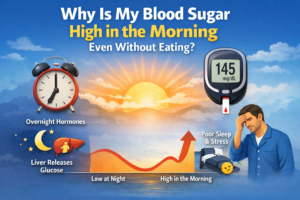
If your insulin sensitivity is low, your body not only struggles after meals, but also during fasting periods. This is closely related to issues like morning blood sugar spikes, which you may have already explored in your main guide: Why Is My Blood Sugar High in the Morning Even Without Eating
Both conditions share the same root cause—your body’s reduced ability to manage glucose efficiently.
What You Can Do
Improving insulin sensitivity is a key step in How to Stop Blood Sugar Spikes After Meals Naturally. The strategies you’ve already learned—balanced meals, proper timing, and post-meal habits—are all designed to support this process.
When your body becomes more responsive to insulin, everything improves:
- Fewer spikes
- More stable energy
- Better long-term health
This is not just about managing symptoms, it’s about fixing the foundamental problem!
Chapter 10: Supplements & Natural Support
At this point, you’ve applied food strategies, meal timing, and post-meal habits. But if you’re still noticing inconsistent results, the missing piece is often internal support, specifically, nutrients that help your body manage glucose more efficiently.
If you’re serious about How to Stop Blood Sugar Spikes After Meals Naturally, this is where many people begin to see a real shift.
Key Nutrients That Support Blood Sugar Control
These are not random ingredients, they directly support the mechanisms discussed in earlier chapters.
- Berberine
Helps improve insulin sensitivity and supports how your body processes glucose after meals. - Cinnamon Extract
Known to assist in slowing carbohydrate breakdown and improving glucose metabolism. - Chromium
Plays a role in regulating blood sugar and reducing cravings, especially after eating.
When these nutrients are combined correctly, they don’t just manage spikes—they help your body respond better to food overall.
Why This Matters for You
You may be doing everything right, eating better, adjusting your habits—but still experiencing spikes. That’s often a sign your body needs additional metabolic support.
This is where a well-formulated supplement becomes practical, not as a shortcut, but as a support system that works alongside your efforts.
A Practical Step Forward:
Many people at this stage choose to use a structured blood sugar support formula that combines these nutrients into one effective solution. This approach helps:
- Reduce post-meal spikes
- Improve insulin response
- Support more stable daily energy
If you’re ready to take control more consistently, you can explore a trusted and tested backed by science option here!
Bringing It Together:
The goal is not to rely on supplements alone, but to use them as part of a complete strategy. When combined with everything you’ve learned so far, this creates a system that works with your body, not against it.
And that’s how you move from temporary fixes to lasting control!
CHAPTER 11: Daily Routine to Prevent Spikes
If you want real, consistent results with How to Stop Blood Sugar Spikes After Meals Naturally, the secret is not doing one thing right, it’s building a daily routine your body can rely on. When your habits are structured, your blood sugar becomes more predictable, and those sudden spikes start to reduce.
Morning: Start with Control. Your morning sets the tone for the entire day:
- Begin with water to activate your metabolism
- Eat a balanced breakfast (protein + fiber + healthy fats)
- Avoid sugary foods or refined carbs early
It prevents early spikes and keeps your energy stable.
Midday: Stay Balanced
This is where most people lose control without realizing it.
- Eat meals at consistent times
- Combine carbs with protein and vegetables
- Avoid skipping meals or overeating later
Stability here prevents afternoon crashes and cravings.
Evening: Prepare for Stability. Your evening routine directly affects your next day’s blood sugar:
- Eat dinner 2–3 hours before sleep
- Keep portions moderate and balanced
- Avoid late-night snacking
This allows your body to regulate glucose overnight.
Even with a solid routine, some people still experience fluctuations. This often means your body needs additional support to maintain balance consistently. At this stage, many individuals choose to include a structured blood sugar support solution alongside their routine to help improve stability and reduce spikes more effectively.
You can explore a trusted and tested back by science option here!
Let be Make It Work for You: this routine is not about perfection, it’s about consistency. When your daily habits, nutrition, and support system align, your body responds better, your energy improves, and managing blood sugar becomes easier and more natural over time.
CHAPTER 12: Common Mistakes to Avoid
Sometimes the reason your blood sugar keeps spiking is not lack of effort, but small mistakes that quietly work against you. If you want real progress with How to Stop Blood Sugar Spikes After Meals Naturally, correcting these habits can make an immediate difference.
Skipping meals is one of the biggest mistakes. It may seem helpful, but it often leads to stronger spikes later when you finally eat. Your body overreacts, causing unstable glucose levels.
Eating carbs alone is another hidden problem. Foods like rice, bread, or garri without protein or fiber digest quickly and flood your bloodstream with sugar. Pairing them properly slows this process down.
What is trending now, is there’s overeating “healthy foods.” Even nutritious meals can spike blood sugar when portions are too large. Balance and moderation matter more than tag.
Lastly, no activity after meals keeps glucose circulating in your bloodstream instead of being used. Even a short walk can help your body process sugar more effectively.
A Smarter Way Forward
When you correct these mistakes and combine your efforts with the right support system, your results become more stable and easier to maint
Frequently Asked Questions (FAQ)
Question I. How long do blood sugar spikes last after eating?
Answer: Blood sugar usually rises within 30 to 60 minutes after a meal and may return to normal within 2 to 3 hours, depending on what you eat and how your body responds. Meals high in refined carbs can cause longer and sharper spikes.
Question II. What is a normal blood sugar level after meals?
Answer: For most people, blood sugar should stay below 140 mg/dL (7.8 mmol/L) about 1–2 hours after eating. However, individual targets may vary depending on health conditions.
Question III. How can I stop blood sugar spikes after meals naturally?
Answer: You can reduce spikes by:
- Eating protein and fiber before carbs
- Choosing low glycemic foods
- Controlling portion sizes
- Staying active after meals
These habits help slow glucose absorption and improve stability.
Question IV. Can walking after meals lower blood sugar?
Answer: Yes. A 10–20 minute walk after eating helps your muscles use glucose for energy, which reduces the amount of sugar remaining in your bloodstream.
Question V. Why do I feel sleepy after eating?
Feeling sleepy after meals is often caused by a rapid rise and fall in blood sugar levels, especially after consuming high-carb or sugary foods.
Question VI. What foods prevent blood sugar spikes?
Answer: Foods rich in fiber, protein, and healthy fats, such as lean meats, vegetables, nuts, and eggs, help slow digestion and prevent sharp increases in blood sugar.
CHAPTER 13: Conclusion and Action Plan on How to Stop Blood Sugar Spikes After Meals Naturally
Chapter 13: Conclusion and Action Plan
How to Stop Blood Sugar Spikes After Meals Naturally
By now, How to Stop Blood Sugar Spikes After Meals Naturally is no longer confusing—it’s something you can actively control with the right approach.
You’ve seen that blood sugar spikes are not random. They are influenced by:
- What you eat
- How you combine your meals
- When and how you eat
- What you do after eating
- And how well your body responds internally
The difference between struggle and stability comes down to consistency and structure.
Your Simple Action Plan
If you want real results, start here:
1. Structure Your Meals Properly
Always combine protein, fiber, and carbs. Avoid eating carbohydrates alone.
2. Control Your Eating Order
Start with protein → vegetables → finish with carbs.
3. Apply Post-Meal Habits
Walk for 10–20 minutes, stay active, and avoid lying down immediately.
4. Maintain a Daily Routine
Eat at consistent times, avoid late-night meals, and prioritize balanced nutrition.
Take It a Step Further
At this point, many people realize something important—while these strategies work, staying consistent every day can be challenging, especially when your body is already struggling with glucose regulation.
This is where having the right support system can make everything easier.
A structured solution designed to support:
- Insulin sensitivity
- Glucose metabolism
- Daily blood sugar balance
can help you move from effort to consistent results.
Final Solution: You don’t need perfection, you need alignment.
When your habits, nutrition, and support system work together, your body responds better, your energy improves, and blood sugar spikes become something you can manage naturally and confidently.
Start simple. Stay consistent. And take action today!
![Read more about the article 7 Best Supplements to Stop Sugar Cravings Naturally [That Actually Work]](https://gohealthcaresupplements.com/wp-content/uploads/2026/05/7-Best-Supplements-to-Stop-Sugar-Cravings-Naturally-1-293x300.png)
![Read more about the article Which Supplement Is Best for Blood Sugar Control? [2026 Guide That Works]](https://gohealthcaresupplements.com/wp-content/uploads/2026/04/Best-supplements-feature-Image-300x200.jpg)